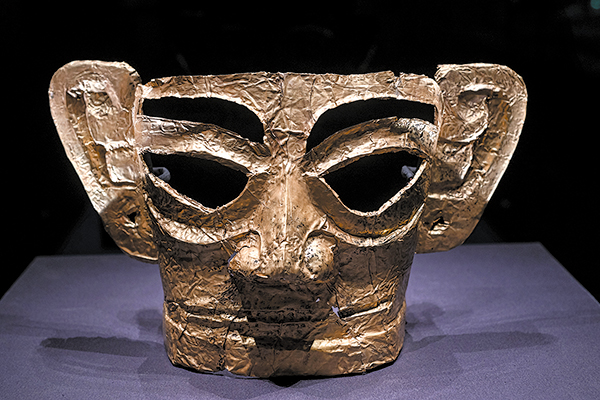
The Shang Dynasty
商朝历史
- 分类: 历史脉络
- ID: 2046236320858746880
Home CategoryHistoryThe Shang DynastyPlay6 minsThe Shang Dynasty (16th–11th century BC), the second in Chinese history after the Xia Dynasty (c.21st century-16th century BC), was pivotal in shaping Chinese civilization. Renowned for bronze casting, centralized governance, and oracle bone inscriptions, it offered profound insights into the era's political, social, and cultural aspects.ShareRelated Videos**Echoes of ancient splendor: Exploring Yinxu 00:13:37Dance: A Revival of Owl's Lament 00:01:28Catalogue1. Origins and Establishment2. Oracle Bone Inscriptions3. Political and Social Structure4. Advances in Bronze Technology5. Religious Beliefs and Practices6. Legacy and InfluenceIntroduction
The Shang Dynasty (c. 16th century- 11th century BC), spanning approximately from the 16th century BC to the 11th century BC, is one of the most significant periods in Chinese history. It is recognized as the second dynasty in Chinese history, following the Xia Dynasty, and is notable for its contributions to the development of Chinese civilization. The Shang Dynasty is particularly renowned for its advancements in bronze casting, the establishment of a centralized state, and the creation of the earliest known Chinese writing system, the oracle bone inscriptions. These inscriptions have provided invaluable insights into the political, social, and cultural life of the Shang period.
Origins and Establishment
The Shang Dynasty originated in the Yellow River Valley, a region often referred to as the cradle of Chinese civilization. According to historical records and archaeological evidence, the dynasty was founded by King Tang, who overthrew the last ruler of the Xia Dynasty. The Shang rulers established their capital in various locations over time, with Yin (modern-day Anyang in Henan Province) being the most prominent and stable capital during the later period of the dynasty.
Yin, also known as Yinxu, became a flourishing center of political, economic, and cultural activity. It was here that the Shang Dynasty reached its zenith, leaving behind a rich legacy of archaeological remains, including palaces, royal tombs, and oracle bones. The dynasty's rule lasted for approximately 600 years, encompassing 31 kings and multiple generations.
Oracle Bone Inscriptions
One of the most remarkable achievements of the Shang Dynasty is the development of oracle bone inscriptions, which represent the earliest known fully developed system of Chinese writing. These inscriptions were carved onto ox scapulae and turtle plastrons and were used for divination purposes. The Shang people sought guidance from their ancestors and deities on various matters, including agriculture, warfare, hunting, and royal succession.
The inscriptions provide a wealth of information about the Shang society, including its political structure, religious practices, and daily life. They also reveal the dynasty's advanced understanding of astronomy, as evidenced by records of solar and lunar eclipses. The discovery of oracle bones at Yinxu has been instrumental in reconstructing the history of the Shang Dynasty and tracing the origins of Chinese characters.
Political and Social Structure
The Shang Dynasty was characterized by a highly centralized political system, with the king holding supreme authority. The king acted as both a political leader and a religious figure, serving as the intermediary between the people and the divine. The royal court was supported by a network of nobles, officials, and military leaders who governed various regions and ensured the dynasty's stability.
The society was hierarchical, with a clear division between the ruling elite and the common people. The elite class, including the king and his court, lived in palatial complexes and enjoyed a luxurious lifestyle. In contrast, the majority of the population consisted of farmers, artisans, and laborers who contributed to the dynasty's economic prosperity.
Advances in Bronze Technology
The Shang Dynasty is often referred to as the "Bronze Age of China" due to its remarkable achievements in bronze casting. The Shang artisans produced an array of intricately designed bronze vessels, weapons, and tools, which were used for ceremonial, military, and practical purposes. These artifacts demonstrate the dynasty's advanced metallurgical skills and artistic sensibilities.
Bronze vessels, in particular, played a significant role in Shang rituals and ceremonies. They were used to make offerings to ancestors and deities, reflecting the dynasty's strong emphasis on ancestor worship and religious practices. The craftsmanship and artistic designs of Shang bronzes have had a lasting influence on Chinese art and culture.
Religious Beliefs and Practices
Religion played a central role in the life of the Shang people. They believed in a pantheon of deities, with Shangdi, the supreme god, being the most revered. Ancestor worship was a fundamental aspect of their religious practices, as they believed that the spirits of their ancestors could influence the living and intercede with the gods on their behalf.
The Shang kings performed elaborate rituals and sacrifices to honor their ancestors and seek their guidance. These rituals often involved the use of oracle bones and bronze vessels. Human and animal sacrifices were also common, particularly during royal ceremonies and burials. The discovery of sacrificial pits and tombs at Yinxu has provided valuable insights into the religious and cultural practices of the Shang Dynasty.
Legacy and Influence
The Shang Dynasty's contributions to Chinese civilization are profound and enduring. Its development of a centralized state, advanced bronze technology, and the earliest Chinese writing system laid the foundation for subsequent dynasties. The dynasty's emphasis on ancestor worship and ritual practices has had a lasting impact on Chinese culture and traditions.
The archaeological remains of the Shang Dynasty, particularly at Yinxu, have been recognized as a UNESCO World Heritage Site. The discovery of oracle bones and other artifacts has not only enriched our understanding of the Shang period but also highlighted the dynasty's significance in the broader context of world history. Article reference1. Fudan students set up database for oracle bones. chinaservicesinfo.com. 20232. Oracle bones provide a glimpse into history. chinadaily.com.cn. 20223. Yin Xu. chinadaily.com.cn. 2018Photo Gallery(19 pictures)CategoriesHistoryTagAncient Chinese HistoryRelatedShu BrocadeNational Museum of ChinaYin XuYue CeladonCatalogue1. Origins and Establishment2. Oracle Bone Inscriptions3. Political and Social Structure4. Advances in Bronze Technology5. Religious Beliefs and Practices6. Legacy and Influence- - - []








